April 27, 2026 · Haleem Kherallah
Maklouba: A Taste of Palestine
The "upside-down" rice that requires a steady wrist, a brave eye, and twenty hungry guests waiting.
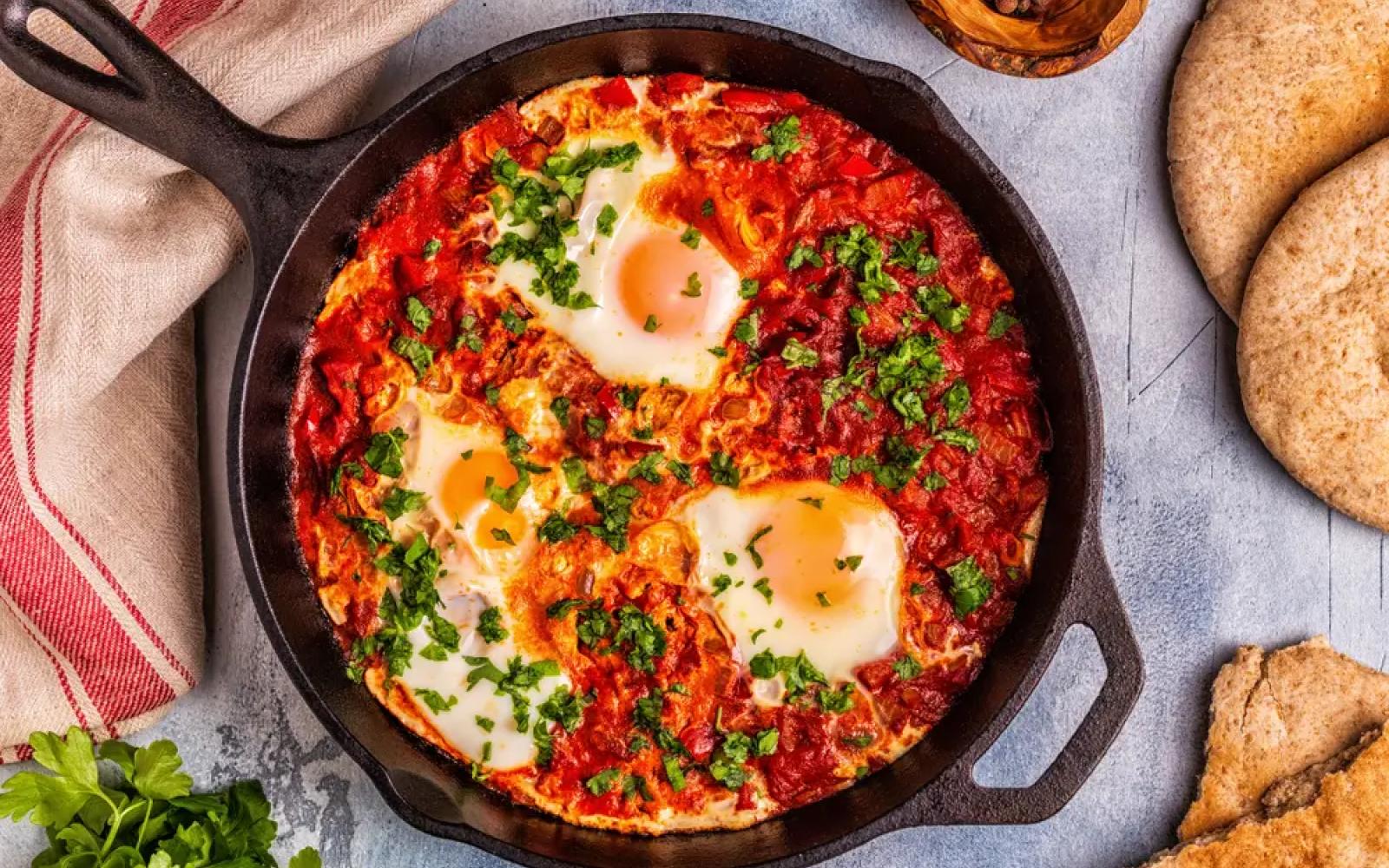
Maklouba — مقلوبة — means "upside-down". The dish is exactly what it sounds like: rice, meat, and vegetables layered in a heavy pot, cooked slowly, then inverted onto a platter at the table. If the inversion fails, the meal is technically over before it began. Successful makloubas have applause.
It is the Palestinian dish for groups. You don't make maklouba for two. You make it when the cousins arrive from Ramallah, when a sister has a graduation, when the lounge needs feeding before the music starts.
The order of the layers matters
Bottom: a single layer of sliced potato or aubergine, fried first to a deep brown, salted, drained. Then chicken or lamb pieces, browned in the same pan, the fat carrying spice — allspice, cinnamon, black pepper, cardamom, a little turmeric. Then more vegetables — cauliflower florets shallow-fried until the edges blister. Finally the rice, soaked for thirty minutes beforehand, rinsed until the water runs almost clear, salted, then poured over the layers with hot broth.
You cover the pot, bring it to a simmer, and leave it alone for forty minutes. You do not lift the lid. You do not check. If you check, the layers shift and the inversion will fail.
The reveal
The platter is placed over the pot. Both are lifted together — one hand under the platter, one over the pot, the whole thing flipped in one decisive motion. You count to ten. You lift the pot.
Done well, it looks like a cake. The potato or aubergine layer crowns the top, the meat is glossy, the rice falls cleanly from the edges. You serve it with a bowl of plain yoghurt and a tomato-cucumber salad. Nothing else needed.
We don't serve maklouba on the regular menu — it needs hours of notice and a table of at least eight. But ask the lounge. We'll make it.